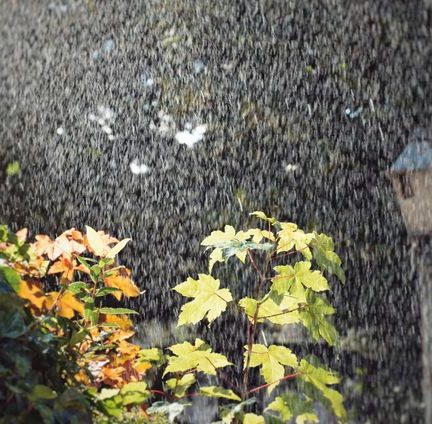
Heavy spring downpours and prolonged autumnal rains do far more than just soak lawns and flood decorative gutters. Water saturating the surrounding terrain creates immense hydrostatic pressure against buried wastewater components, directly altering how household drainage moves away from home plumbing fixtures. Understanding these subterranean shifts helps property owners prevent backup disasters long before rising groundwater tables compromise the entire treatment structure.
What Actually Happens to Your Drainfield During Heavy Downpours?
Rainfall soaks deep into the earth, filling every micro-pocket between soil particles until ground layers reach total saturation. Wastewater exiting the underground concrete vault depends on dry, porous ground to filter out lingering microbes and organic contaminants safely. Excessive moisture halts this natural filtration cycle because waterlogged dirt cannot absorb additional liquid volume from household fixtures.
Trapped liquids stay stagnant inside gravel absorption trenches, pushing subterranean water levels upward against distribution pipes. Effluent pools near grass roots rather than percolating downward through purifying layers of sand, silt, and natural clay. Prolonged saturation deprives beneficial soil bacteria of oxygen, leaving the entire leach area dysfunctional until dry weather restores natural soil absorbency.
How Saturated Soil Forces Wastewater Back Into the House
Pressure builds rapidly within submerged drainage pipes whenever stormwater inundates the surrounding gravel bedding. Household plumbing relies heavily on natural gravity to carry greywater and sewage safely out toward the buried chamber. Blocked outlet pipes force incoming wastewater to stall, creating hydraulic resistance against fresh domestic flow.
Gurgling noises inside lower-level bathroom drains signal that trapped air is fighting against rising internal pipeline pressure. Toilets flush sluggishly or overflow completely because domestic sewage has no open pathway to move outward into saturated ground. Timely septic tank pumping relieves this immediate storage pressure by clearing accumulated liquid capacity before heavy storm fronts cross the region.
Why Summer Storms Accelerate Bacterial Failure Inside the Tank
Bacterial colonies working inside primary holding vaults break down complex organic solids into liquid effluent continuously. Sudden influxes of cool stormwater drop internal liquid temperatures while diluting biological enzymes necessary for decomposition. Flooding sweeps essential digestive microbes out toward leach trenches before they can break down solid waste particles effectively.
Unprocessed solids pass through structural baffles without proper biological breakdown when micro-organism activity stalls out completely. Grease, food particles, and raw waste float downstream, clogging narrow pipe perforations and smothering trench gravel. Scheduling routine evaluation with a professional septic tank service in Huntsville AL maintains balanced biological activity despite volatile seasonal weather patterns.
Heavy Rain Disrupts Solid Separation and Sludge Settlement
Proper hydraulic retention time allows heavy waste particles to sink into bottom sludge while lightweight fats float upward to form scum layers. Torrential rainstorms push excessive volumes of water through intake lines within very brief timeframes. High velocity flows churn up settled bottom material, creating a murky suspension throughout the primary chamber.
Suspended solids drift directly into delicate leach field lines instead of settling quietly along the tank floor. Thick mats of organic sludge accumulate along soil boundaries over time, forming an impermeable layer known as biomat. Hiring expert septic tank pumping services removes dense bottom accumulations before heavy seasonal precipitation washes suspended solids into absorption soils.
Can a Flooded System Cause Permanent Underground Damage?
Flooded ground weakens structural support beneath heavy underground infrastructure, causing unstable soil movement around pipe connections. Saturated dirt softens dramatically around concrete or fiberglass holding chambers, leading to dangerous tank shifting or pipe misalignment. Buoyancy forces generated by high water tables can even pop lightweight plastic tanks out of the ground entirely during severe storms.
Corroded chamber walls and sheared distribution lines require expensive excavation work to repair properly once floodwaters recede. Soil compaction caused by heavy standing water destroys natural pore space, permanently reducing absorption capacity across the entire field. Partnering with a licensed septic contractor protects residential properties from severe structural damage caused by seasonal groundwater shifts.
Practical Signs That Stormwater Is Overwhelming Your System
Spongy turf directly above buried absorption lines usually reveals that underground liquid levels have exceeded natural drainage capacity. Unpleasant odors similar to sulfur or raw sewage floating near the yard indicate untreated wastewater is breaking through topsoil. Slow-draining fixtures throughout lower floors confirm system backpressure is preventing normal indoor wastewater discharge.
Bright green patches of dense grass growing over drainfield trenches during rainy periods highlight unnatural nutrient absorption from overflowing sewage. Standing pools of murky water near tank lids signal that surface run-off is infiltrating access hatches and overloading system capacity. Searching online for septic companies near me connects property owners with local specialists capable of diagnosing stormwater infiltration issues quickly.
Preparing Your Property Before the Wet Season Hits
Diverting roof downspouts, driveway channels, and surface runoff away from absorption areas reduces unnecessary liquid stress during heavy rain events. Positioning discharge pipes toward well-drained yard zones preserves optimal soil absorption conditions around primary treatment components. Installing low-flow fixtures inside residential kitchens and bathrooms further minimizes daily wastewater loads prior to wet weather seasons.
Regular system maintenance keeps residential wastewater infrastructure operating efficiently despite unpredictable environmental challenges year after year. Property managers prevent costly backup emergencies by establishing proactive inspection and maintenance routines before heavy downpours hit. Local service provider Cora Environmental provides expert diagnostic evaluation, thorough cleaning, and specialized support as dependable septic contractors Huntsville AL property owners rely on for reliable, year-round system performance.


